5 Cybersecurity Habits Everyone Needs in 2026
Practical cybersecurity habits that protect your accounts, devices and personal information from common online threats.
Advertisement
Cybersecurity Habits Everyone Needs in 2026
Cybersecurity is no longer just an IT department problem. Every person who uses email, banking apps, social media or cloud storage is a potential target. The good news is that a few simple habits can prevent most common attacks.
This article covers practical cybersecurity habits that everyone should adopt in 2026.
Use a Password Manager
Reusing passwords across multiple sites is one of the riskiest habits online. When one service is breached, attackers try those credentials everywhere. A password manager generates and stores unique, strong passwords for every account.
You only need to remember one master password. Modern password managers work across phones, tablets, browsers and operating systems.
Internal link: For common mistakes, read our guide to password manager mistakes.
Enable Two-Factor Authentication
Passwords can be stolen. Two-factor authentication adds a second check, usually a code from an app or a hardware key. Even if someone has your password, they cannot access your account without the second factor.
Enable it on email, banking, cloud storage and social media accounts first. These are the most valuable targets.
Keep Software Updated
Updates are not just about new features. They often fix security vulnerabilities that attackers actively exploit. Enable automatic updates for your operating system, browser and important apps. Do not ignore update prompts.
Recognize Phishing Attempts
Phishing emails and messages try to trick you into clicking malicious links or entering credentials. They often create urgency: "Your account will be closed," or "Suspicious activity detected."
Before clicking, check the sender address, look for spelling errors and hover over links to see the real destination. When in doubt, visit the website directly instead of using the link.
Secure Your Home Network
Change the default administrator password on your router. Use WPA3 encryption if available. Create a guest network for visitors and smart home devices. Keep router firmware updated.
Smart home devices are frequent targets because they often have weak default security. Isolate them from computers that contain sensitive information.
Back Up Important Data
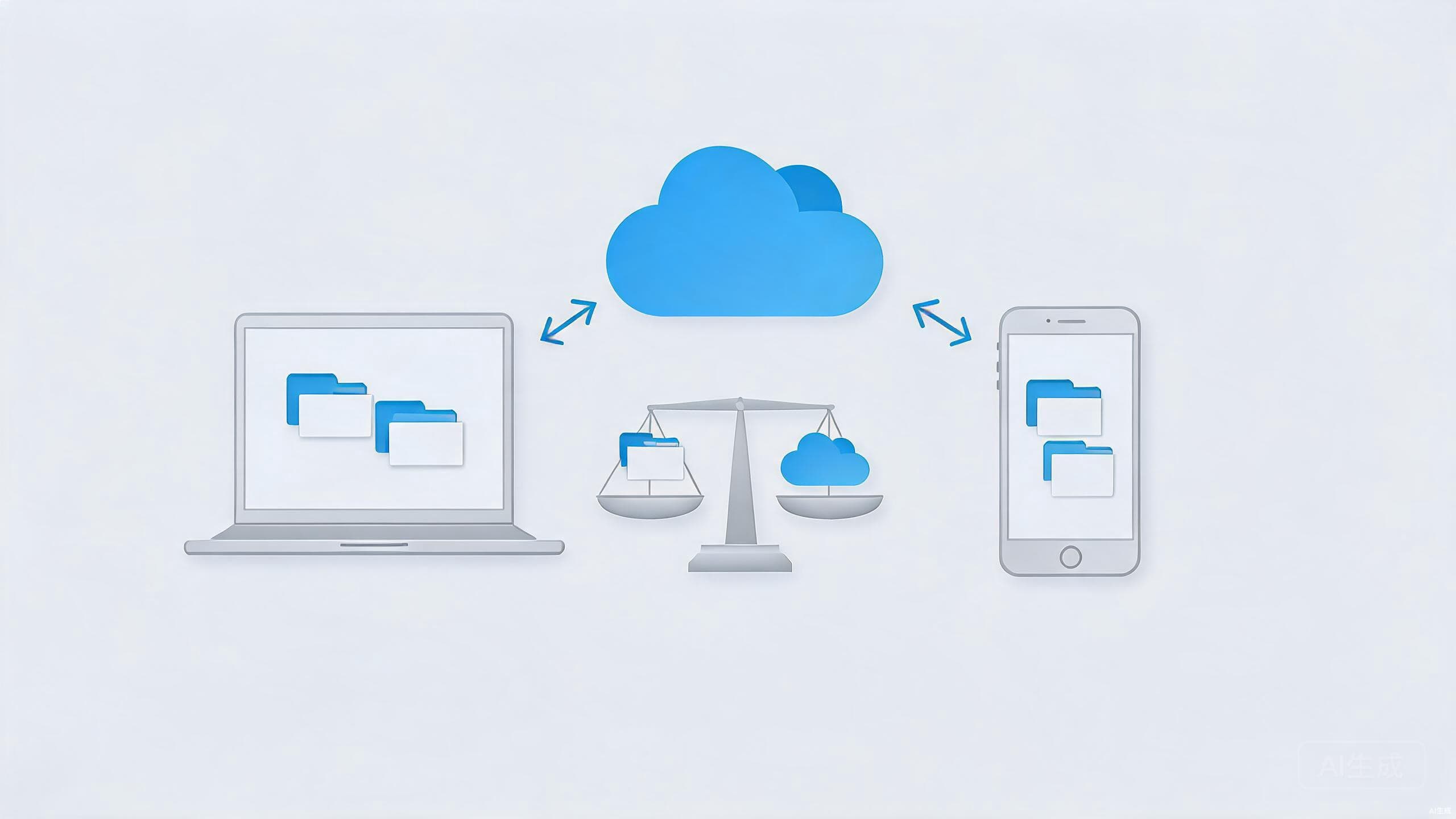
Ransomware can lock your files until you pay. The best defense is a reliable backup. Follow the 3-2-1 rule: keep three copies of your data, on two different media types, with one copy offsite or in the cloud.
Internal link: See our step-by-step guide on how to back up your data.
Be Careful With Public Wi-Fi
Public networks in cafes, airports and hotels are convenient but not secure. Avoid logging into banking or email accounts on public Wi-Fi unless you use a trusted VPN. A VPN encrypts your traffic and hides it from others on the same network.
Review App Permissions
Many apps request more permissions than they need. A flashlight app should not need access to your contacts. Review permissions regularly on your phone and computer. Remove apps you no longer use.
Conclusion
Good cybersecurity is mostly about consistent habits, not expensive tools. Use unique passwords, enable two-factor authentication, keep software updated and stay skeptical of unexpected messages. These steps will protect you from the vast majority of online threats in 2026 and beyond.